Brand & Creative by AMB360
Make the business easier to recognise. Harder to forget.
AMB360 brings brand strategy, identity, messaging and creative direction together so the business looks, sounds and feels like the same organisation wherever people meet it. Not decoration for decoration's sake. A clearer, more distinctive way to show up in the market.

Brand & Creative by AMB360
Looking good is easy. Meaning something is harder.
A brand is not a logo, a colour palette or a set of templates. Those things matter, but only when they are expressing something clear underneath. The strongest brands know what they stand for, why somebody should care and how that should come through in every interaction.
We connect that thinking to the creative work. Positioning, messaging, identity, campaigns and day-to-day design are developed as parts of the same system, giving the business something distinctive enough to recognise and practical enough to use.
01
Find what makes it matter.
We get underneath the business, the audience and the market before deciding how the brand should look. Distinction starts with having something useful to say, not choosing a font.
02
Build a recognisable system.
Identity, typography, colour, imagery, language and creative direction need to work together. We create a system that can stretch across the places the brand actually has to live.
03
Make it usable.
A brand should survive contact with the real world. We build the assets, rules and creative foundations teams need to use it consistently without every piece of work becoming a reinvention.
01
Brand strategy
We define the strategic foundations behind the brand: what it stands for, who it needs to matter to, where it should sit in the market and what needs to make it distinctive. That gives the creative work a reason for looking and sounding the way it does.
02
Positioning and proposition
We sharpen how the business should be understood and why somebody should choose it. That means finding the useful difference between what the business says about itself and what customers actually need to hear before they decide it is relevant to them.
03
Naming and messaging
Names, propositions, straplines, message hierarchies and tone of voice shape how quickly people understand a business. We build language that is clear enough to communicate the offer and distinctive enough to sound like the organisation rather than everybody else in the category.
04
Visual identity
We create or evolve the visual system around the brand, including identity, typography, colour, image direction and the design principles that hold it together. The objective is not simply to make things attractive. It is to make the business recognisable before somebody has finished reading.
05
Creative direction
We establish the creative principles that turn the brand into actual work. That can shape campaigns, photography, social content, advertising, websites, print and everything between them, giving different executions enough freedom to work without losing the identity behind them.
06
Campaign concepts
Individual campaigns need an idea strong enough to travel across channels. We develop campaign concepts that connect the commercial objective to the brand, giving paid media, social, email, websites and offline activity one creative thought rather than a collection of unrelated assets.
07
Design and rollout
From launch materials and sales collateral to digital assets, presentations, print and campaign production, we apply the brand where it needs to work. The result is a consistent system rather than a beautiful identity that only exists inside a guidelines document.
08
Website design
We carry the brand into the place many customers will experience it most. Website design brings identity, messaging, content hierarchy and interaction together around a real customer journey, creating a digital experience that feels unmistakably part of the brand rather than a separate template with the logo added afterwards.
09
Brand guidelines and governance
We document the decisions that matter so internal teams, partners and suppliers can use the brand properly. Clear guidance protects consistency without turning the identity into something so rigid that nobody can make useful creative work with it.
What Brand & Creative covers
Recognition is built through consistency.
Brand and creative work should make every part of the business easier to connect. The identity, language and creative system give websites, campaigns, social, media and sales material a shared foundation, so every interaction builds on the last one instead of starting again.
Explore what we doHow Brand & Creative works
Find the idea. Then make it unmistakable.
We do not begin with a moodboard and hope the strategy appears later. The process starts with the business, the audience, the market and the existing perception of the brand. That tells us what needs protecting, what needs changing and where there is room to become more distinctive.
From there we turn the thinking into a creative system. We establish the identity, language and rules, test how they behave across real applications and build enough flexibility into the system for the brand to keep working long after the launch presentation is finished.
01
Understand.
We understand the business, audience, competitors, existing perception and commercial ambition before making creative decisions.
02
Define.
We establish the positioning, proposition, messaging and creative direction that the identity needs to express.
03
Build.
We create the identity and apply it across the real places customers, teams and partners will encounter the brand.
Selected Work
Don’t take our word for it.
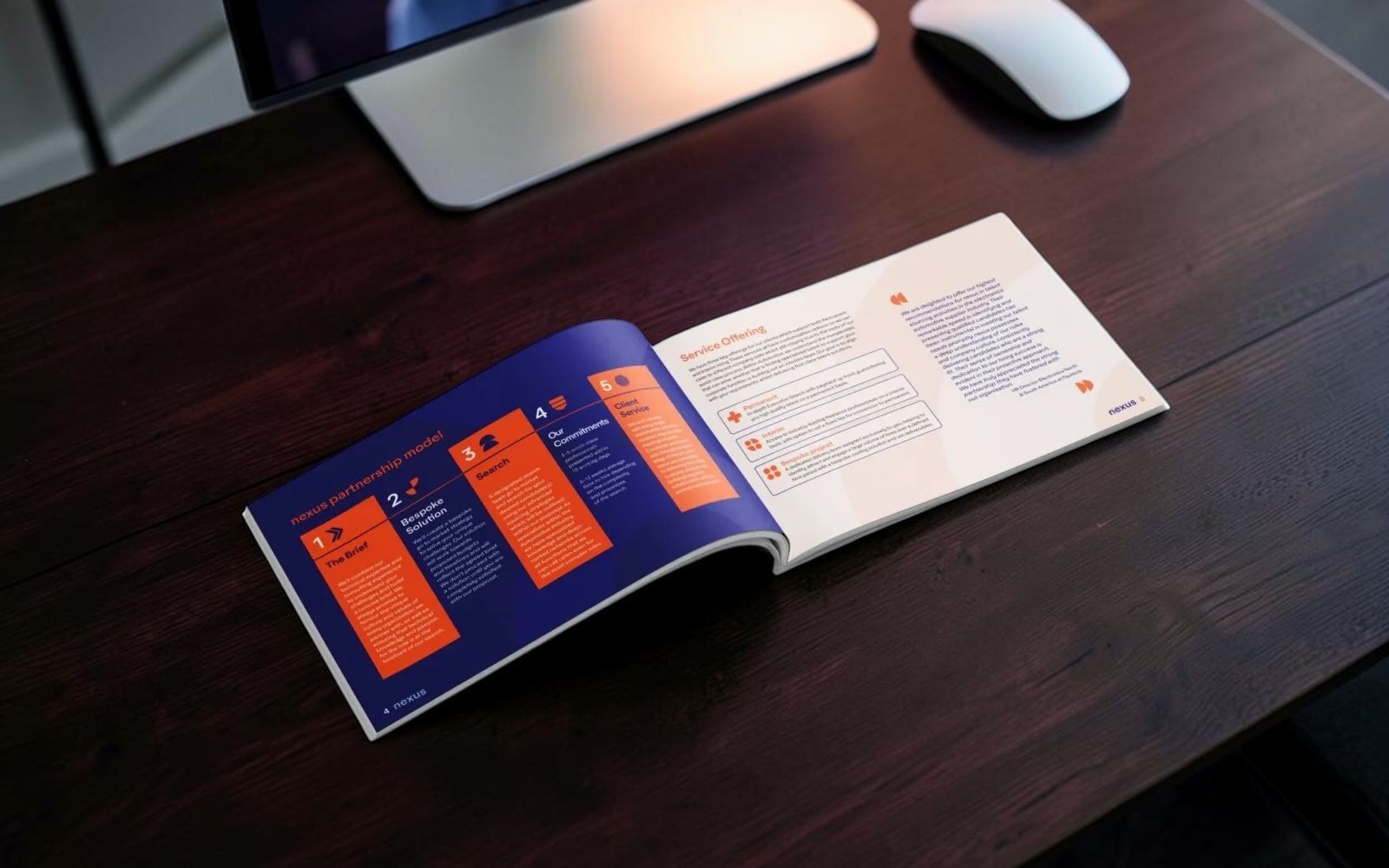
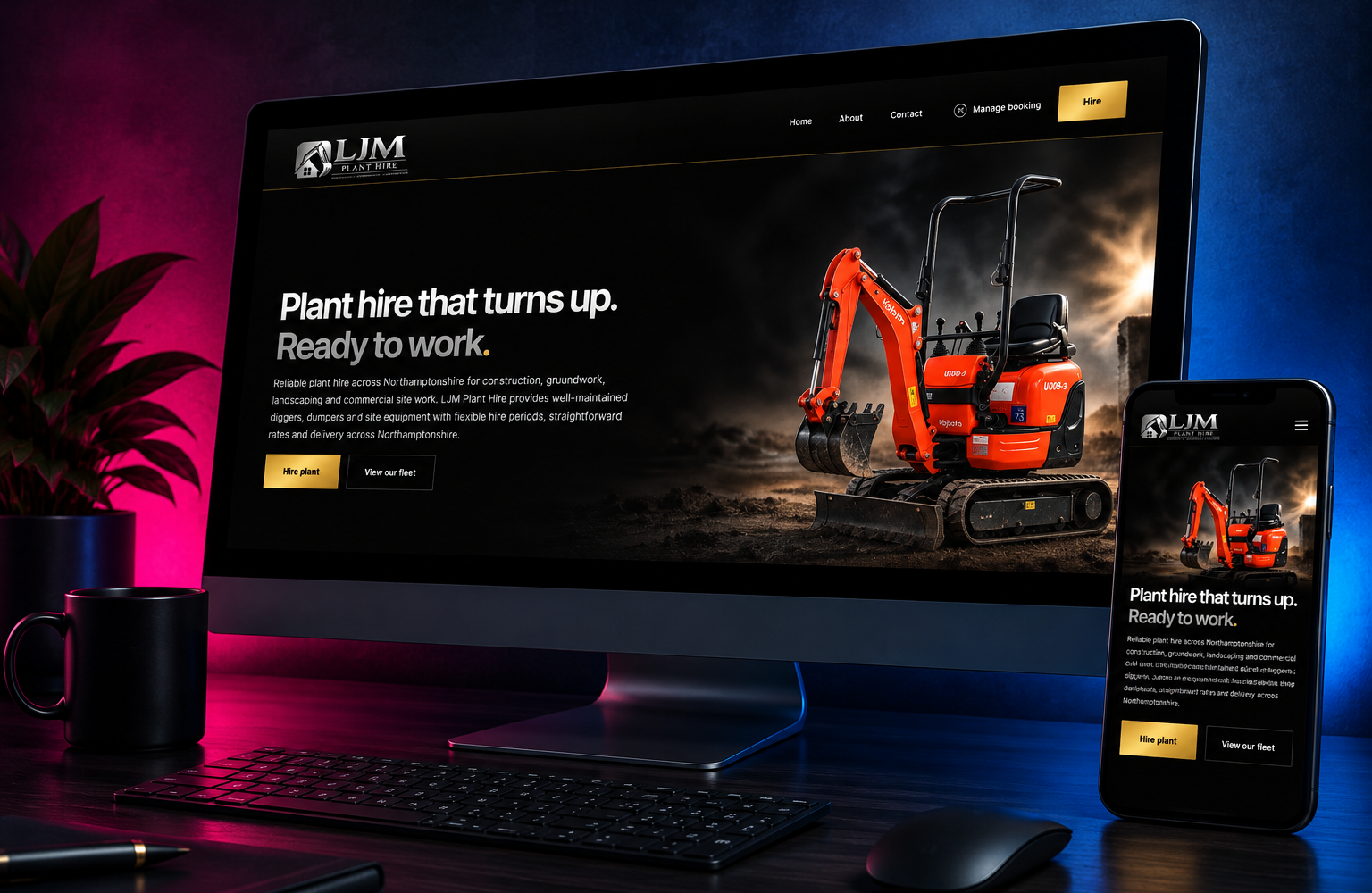
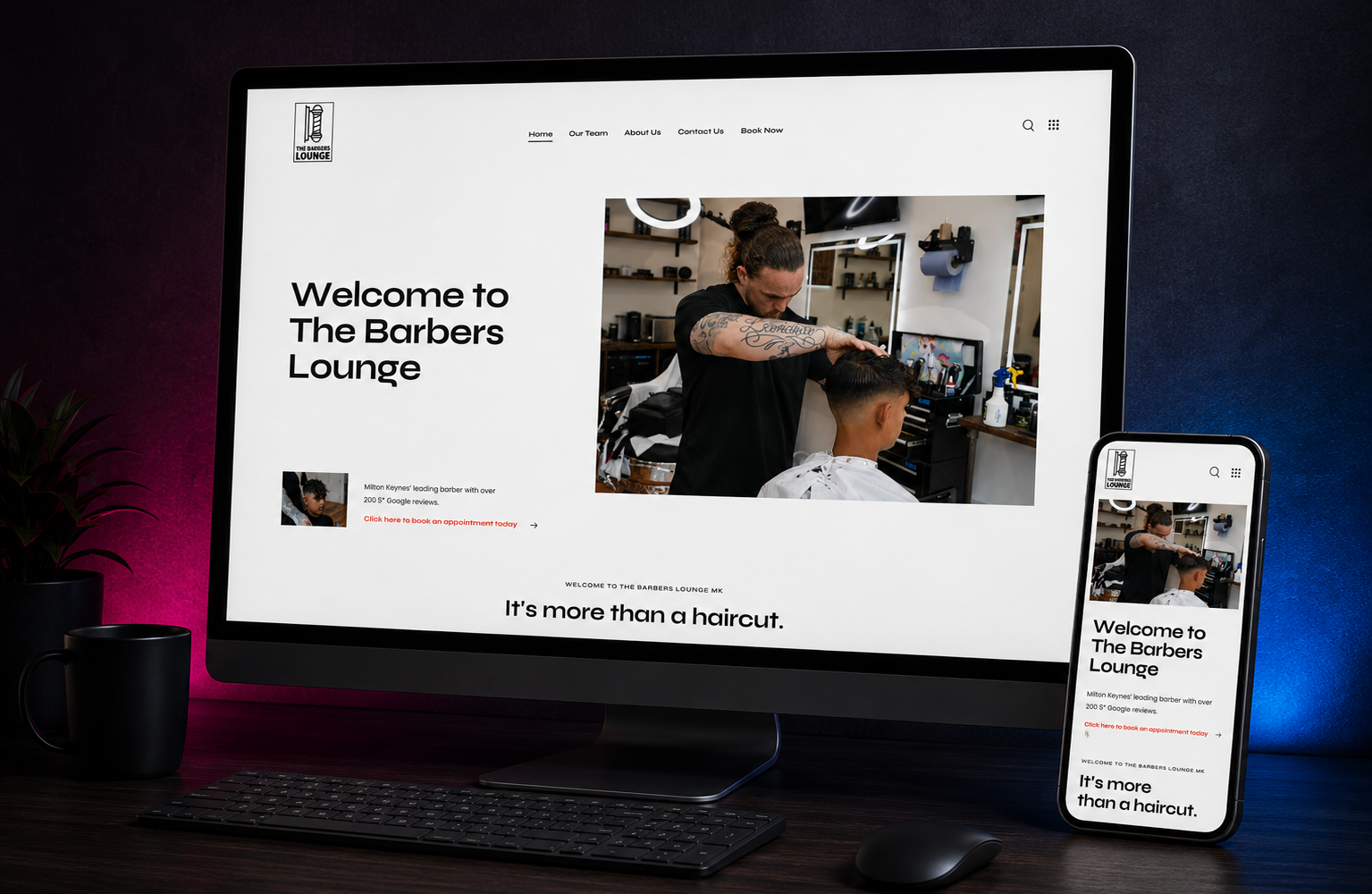
Talking about capability is easy. The more useful question is what happens when brand thinking, creative direction and website design meet a real business with a real objective. Here are three examples of that work in practice.
AMB360 thinking
Brand is not the decoration.
The identity matters because people use it as a shortcut. They see the way a business presents itself and start forming an opinion before they have read the detail. Good brand work makes that shortcut deliberate, consistent and connected to something true about the business underneath it.
See more thinking on brand, creative and modern marketing. Explore AMB360 Insights
Insight
AI is not the strategy, it’s the amplifier
Tools can make creative production faster, but speed does not create a point of view. The stronger the technology becomes, the more important the thinking, judgement and distinctive brand foundations underneath the output become.
Read the insight
01
02
03
04
05
06
Strategy
Give the brand a commercial and customer context before creative decisions are made. Strategy establishes what the business is trying to change, who it needs to matter to and where a more distinctive position can create real advantage.
Websites
Turn the brand into a digital experience rather than simply placing a new logo at the top of an old structure. We connect identity, messaging, content and interaction so the website feels like a genuine expression of the business.
Paid Media
Give campaigns a creative platform strong enough to earn attention and consistent enough to build recognition over time. Brand and performance do not need to pull in opposite directions when the creative has a clear job to do.
Social Media
Create a recognisable social presence without making every post look identical. A strong brand system gives content enough consistency to be recognised while leaving enough flexibility for the channel to stay current and interesting.
Media
Carry the creative direction into photography, video, podcasts and campaign production. Media gives the brand movement, voice and personality, turning a static identity into content people can actually experience.
Forge
Keep the brand moving once the foundations are in place. Forge provides ongoing design capacity for the day-to-day creative work a business needs, without turning Brand & Creative into another name for a design subscription.
Connected capability
A brand should travel further than the brand guidelines.
Brand & Creative can be a focused project in its own right, but its real value appears when the thinking carries through into the website, campaigns, social, media and everyday customer experience. The same creative foundation can then keep building recognition rather than being reinvented by every channel.
Explore all capabilitiesWays to work with us
Build the brand. Then keep it moving.
Some businesses need a new identity from the ground up. Others have a strong core but need clearer positioning, better creative direction or a more useful system around what already exists. We can start with the part that genuinely needs changing rather than assuming every project requires a complete rebrand.
Once the foundations are right, AMB360 can carry them into websites, campaigns, social and media, while Forge provides an ongoing route for businesses that need regular design capacity after the project work is complete.
01
Brand projects.
New brands, rebrands, repositioning, identity development, messaging and the strategic foundations needed to make the creative work useful.
02
Campaign creative.
Concepts and creative direction for launches, campaigns and moments when the business needs a strong idea to work consistently across channels.
03
Ongoing creative.
Use Forge when the brand foundations are established and the business needs reliable ongoing design capacity to keep applying them properly.
A logo is one part of a visual identity. A brand is the much bigger picture: what the business stands for, how it is positioned, what people expect from it, the language it uses and the experience people associate with it. The logo matters because it helps people recognise the business, but changing the logo without understanding what sits underneath it rarely fixes a genuine brand problem.
A rebrand becomes worth considering when the existing identity no longer reflects the business, the proposition has changed, the company has outgrown the way it presents itself or customers struggle to understand what makes it different. Looking slightly dated is not always enough reason to throw everything away. Sometimes the better answer is to evolve the strongest parts of the existing brand and fix the areas that are creating the problem.
Brand strategy establishes the thinking the identity needs to express. That normally means understanding the audience, market and competitors, defining the positioning and proposition, clarifying what the business should be known for and deciding how it should communicate. The purpose is to give the visual identity, messaging and creative work a clear foundation rather than asking design to invent the strategy after the fact.
Brand positioning is the place you want the business to occupy in the customer's mind compared with the alternatives available to them. It helps answer why the business is relevant, what makes it meaningfully different and what somebody should remember about it. Strong positioning gives marketing a clearer point of view; weak positioning tends to leave businesses competing with the same claims about quality, service and experience as everybody else.
A visual identity is the system people use to recognise the brand. Depending on the business, that can include the logo, typography, colour, imagery, layout principles, graphic devices and the rules governing how those elements work together. The important word is system. A collection of attractive individual assets is much less useful if every new advert, social post, presentation or webpage ends up looking as though it belongs to a different company.
Brand guidelines turn creative decisions into something other people can actually use. They establish the important rules around identity, typography, colour, imagery, language and application so internal teams and external suppliers are not forced to reinterpret the brand every time they create something. Good guidelines protect recognition without making the identity so restrictive that every piece of communication has to look exactly the same.
Tone of voice is the way the brand expresses its personality and point of view through language. It affects websites, advertising, social media, emails, sales material and plenty of small interactions that businesses often write without thinking about them as brand communication. Defining it does not mean creating a list of quirky phrases everybody has to use. It means giving people enough direction for the business to sound recognisably like itself wherever the words appear.
Distinctiveness usually comes from a combination of positioning, language and recognisable creative choices rather than finding one magical design trick nobody has ever used before. We look at what the category already does, where competitors have become interchangeable and which parts of the business can credibly be expressed differently. The aim is not to be different for the sake of it. It is to make the right things easier for customers to notice and remember.
The brand foundations should normally be clear before major website design decisions are made, because the website is one of the most important places the identity, messaging and customer experience come together. That does not mean every brand project needs to be completely finished before anybody thinks about the site. The strongest projects often develop the identity and digital experience in conversation with each other so the brand is built for the places it actually needs to work.
Creative direction establishes how the brand should be expressed when it moves beyond the core identity into real marketing. It can shape photography, campaigns, advertising, social content, video, websites, print and other applications, giving different pieces of work a shared visual and conceptual logic. That allows the creative to change with the message and channel without losing the recognition that makes it feel like the same brand.
Yes. Not every business needs a new name, logo and identity. We can work with what already exists, identify the elements worth protecting and improve the positioning, messaging, creative direction or practical system around them. If the foundations are strong, evolution can be considerably more valuable than starting again simply because a full rebrand sounds like the more dramatic project.
Brand does not fit neatly into one metric, but that does not make it unmeasurable. Depending on the objective, we can look at recognition, direct and branded search demand, customer perception, engagement, conversion, response to campaigns and whether the business is becoming easier to identify and understand. Some effects build over time, which is precisely why consistency matters: recognition is created by repeated, connected experiences rather than one impressive launch day.
Brand & Creative FAQs
A few things worth knowing before changing the brand.
Brand is much bigger than choosing a logo and a colour palette. These are some of the questions worth answering when you are deciding what the business should stand for, how it should be recognised and whether anything genuinely needs to change.
Let’s talk
Does the business look as good as it actually is?
If the identity feels dated, the messaging has become muddled or every piece of marketing looks like it came from a different company, there is probably a bigger brand problem underneath the individual design jobs.
Tell us where the business is now and what needs to change. We can work out whether that means a full brand project, a sharper creative direction or simply a better system for using what you already have.
Talk to AMB360